


I am a Japan-based Product Designer with experience designing B2C fintech products for global markets and B2B digital solutions for Japanese companies and clients.
Hi, I’m Laut

Animation
UX/UI Design
Marketing Design
AI Enthusiast
↓
Scroll Down
↓
Four Projects, Different Challenges
From fintech and AI automation to mobile ordering and machine interfaces, these projects show how I approach research, design, and iteration across global and Japanese markets.



More Things I’ve Worked On
A mix of other projects, explorations, and design challenges that have shaped my experience along the way.

KOTORI - Vendor Screen
A web-based order management system that helps festival vendors efficiently manage KOTORI orders during busy operations.

KOTORI - Homepage
Discover KOTORI, explore how it works, and scan the QR code to access the mobile ordering experience instantly.

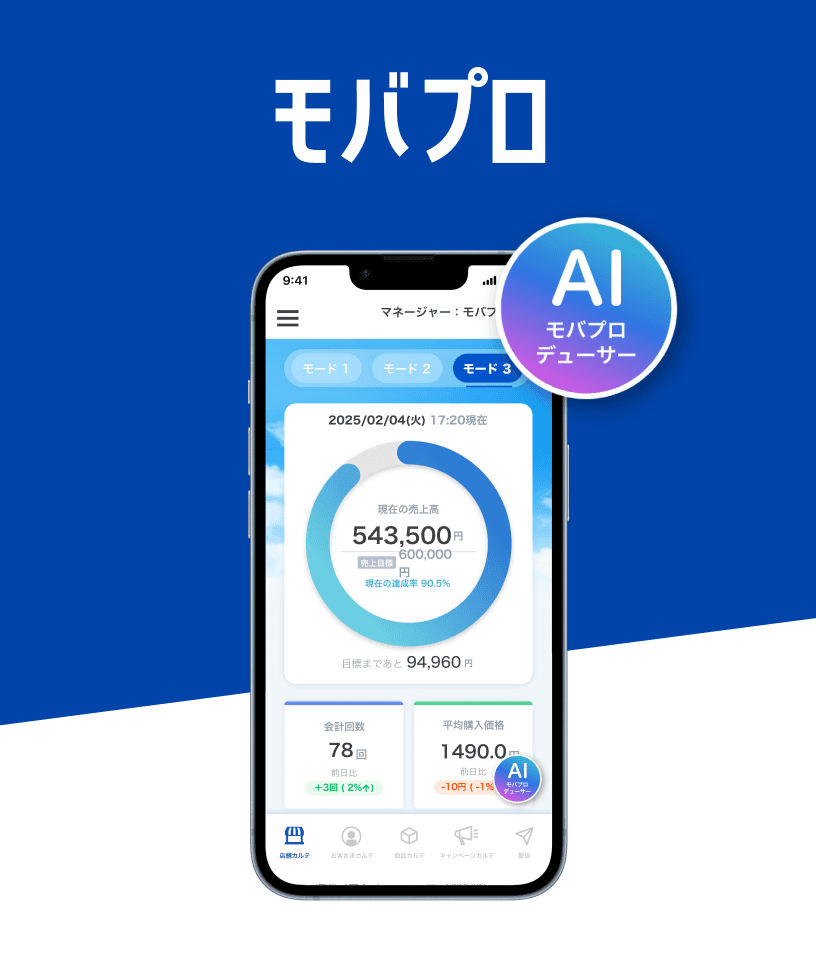
Mobapro - PC Version
Helping stores understand real-time sales performance and automate marketing activities with AI to make better decisions and increase sales.

Mobapro - Website
Explore Mobapro’s features, case study, and plans to see how it supports business growth.
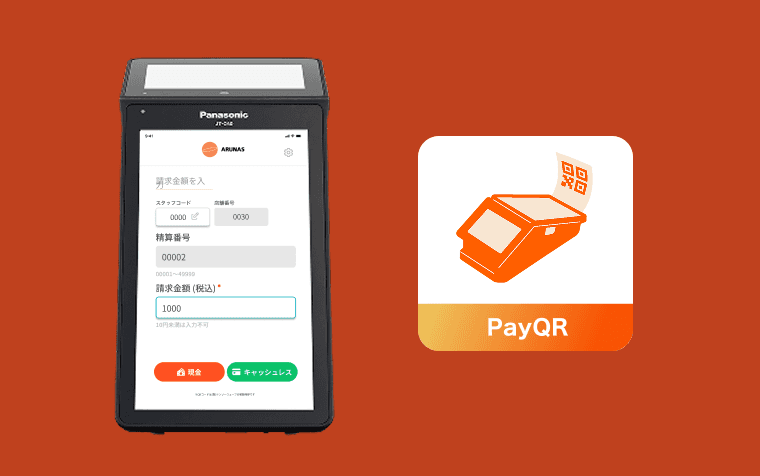
PayQR - Stera
With festival crowds, especially at Yoyogi Park Tokyo, where visitors can reach 200,000 visitors over two days and queue times can reach 30 minutes to 1 hour.
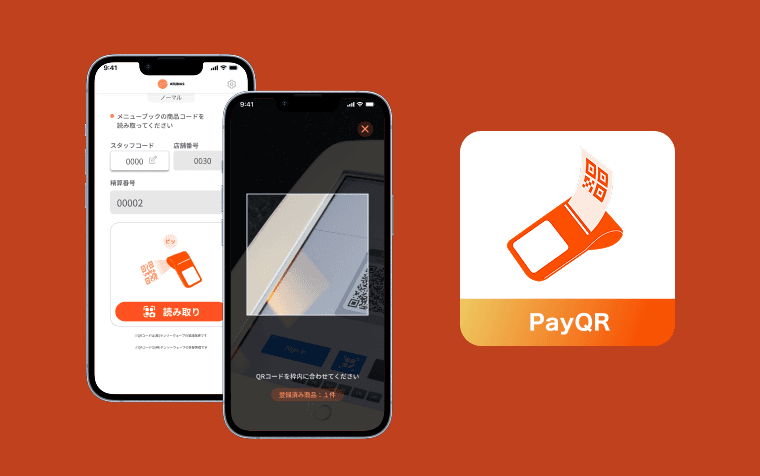
PayQR - Sunmi
With festival crowds, especially at Yoyogi Park Tokyo, where visitors can reach 200,000 visitors over two days and queue times can reach 30 minutes to 1 hour.

QReate Menu - AES CUT
With festival crowds, especially at Yoyogi Park Tokyo, where visitors can reach 200,000 visitors over two days and queue times can reach 30 minutes to 1 hour.
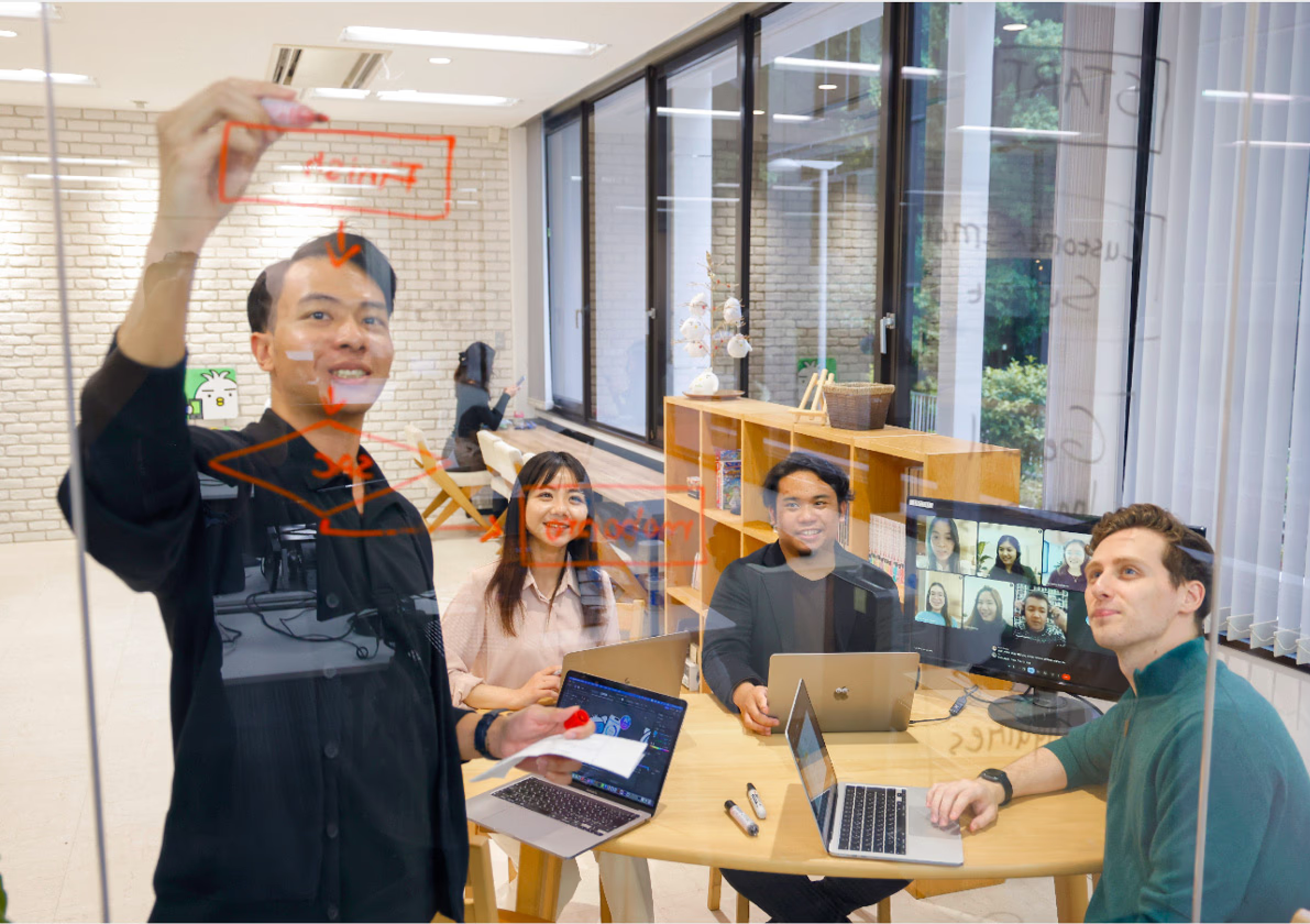
Where Marketing, Business & Product Design Come Together
Marketing taught me how people connect with products, while business taught me to understand their problems, growth, and impact. Product design brings both together, turning solutions into experiences people can actually use and interact with.
2023 - Present
Product UX UI Designer
2023 - 2023
Business Development & Design
2022 - 2023
Marketing Designer
More About Me
We may follow the same UX process, but how we think, explore, collaborate, and turn problems into solutions is what makes each designer different. Here’s a little more about how I approach design and the way I work.
What kind of Product Designer am I?
People often ask me, “Why did you move from marketing and business into product design?” My background in marketing and business taught me that good visual design alone is not enough. Marketing taught me to understand people and their needs, while business taught me to think about data, feasibility, and impact. Product design brings both together—helping me identify real problems, validate them with data, and turn insights into useful experiences that create value for users while driving engagement and business growth.
How do I use AI in my design process?
After experimenting with ChatGPT, Claude, and Gemini, I currently use ChatGPT most often in my workflow, particularly for UX writing, exploring alternative solutions, structuring problems, and visualizing UI ideas. As the sole designer on my team, AI has become a thinking partner in my daily workflow. Before bringing ideas to stakeholders or developers, I use AI as a second perspective to challenge my assumptions, explore alternatives, and identify gaps—helping me move faster while keeping the final design decisions grounded in real requirements and data. I mainly use AI across problem exploration, user flows, UX writing, UI exploration, and rapid prototyping.
How do I balance user needs and business goals?
I don’t see user needs and business needs as competing goals. I try to find where they create value for each other. I start by understanding the user problem through research, feedback, and behavioral data, then connect it to the business goal and measurable impact. From there, I prioritize solutions that solve a meaningful user problem while supporting outcomes such as adoption, engagement, conversion, retention, or revenue. When there’s a trade-off, I work with stakeholders to evaluate user impact, business value, feasibility, and data, then validate and iterate after launch.
What does my design process look like?
My design process **depends on the product, users, and project context**. I don’t believe every project needs the exact same process. For **B2C and end-to-end product work**, I usually start by understanding the **business goal and user problem**, then use research and data to identify pain points. From there, I define the problem, map user flows, explore solutions, prototype, test, collaborate with developers, launch, and use post-launch data to continuously improve the experience. **Understand → Research & Data → Define → Explore → Design → Test → Launch → Measure & Iterate** For **B2B client work**, the process is usually more requirement- and constraint-driven. I start by understanding the **client request, business operations, existing system, technical constraints, and actual users**. I then clarify requirements with PMs, clients, and developers, translate them into flows and UI solutions, review with stakeholders, iterate based on feedback, and support implementation. **Client Request → Understand Operations → Clarify Requirements → Define Flow → Design → Client Review → Iterate → Handoff & Implementation** In both processes, I use **AI as a thinking partner** to challenge assumptions, explore alternative flows, improve UX writing, identify edge cases, and accelerate prototyping—but the final decisions are based on **users, business needs, technical feasibility, and data**.
How do I work with engineers, project managers, and stakeholders?
I work very closely with my Project Manager, who sits beside me, so we communicate throughout the day. We discuss requirements, priorities, client feedback, technical constraints, and design decisions together rather than waiting for formal meetings. With engineers, I usually communicate directly with the front-end engineer during implementation to discuss UI behavior, feasibility, edge cases, and design adjustments. For broader development requests or issues involving multiple engineers, we coordinate through Microsoft Teams. For stakeholders and clients, my Project Manager is usually the main point of contact. They gather requirements and feedback, and we discuss them together before I translate them into design solutions. When needed, I prepare prototypes, design rationale, and supporting materials that help the PM communicate the solution back to the client.